
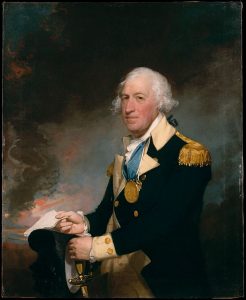
Horatio Gates was one of the most controversial generals of the American Revolutionary War. Nicknamed “Granny Gates” by critics and soldiers alike, he was praised as a hero after one of the war’s greatest victories and later condemned for one of its most humiliating defeats. For a brief moment, he was even seen as a possible rival to George Washington himself.
Gates’s career sits at the intersection of military success, political ambition, and personal rivalry. Understanding his rise and fall helps explain why leadership during the American Revolution was never as united as later myths suggest.
Who was Horatio Gates?
Horatio Gates was born in England in 1727 and trained as a professional soldier in the British Army. He gained experience in European warfare and in North America during the French and Indian War before settling in Virginia.
When the American colonies rebelled, Gates offered his services to the Continental Army. Unlike many revolutionary officers, he arrived with formal military training, which helped him rise quickly despite lacking deep personal loyalty to the revolutionary leadership.
From British officer to Continental general
Gates was appointed adjutant general of the Continental Army in 1775, placing him in charge of administration and organisation. This role brought him into close contact with Washington and the army’s senior officers during the uncertain early months of the war.
The Continental Army at this stage was still fragile, as seen in campaigns such as the Siege of Boston – Key Facts and Brief Summary, where supply problems and inexperienced leadership shaped early American strategy. Gates’s cautious temperament earned him a reputation as methodical, but also slow and overly defensive.

Why was the Battle of Saratoga so important?

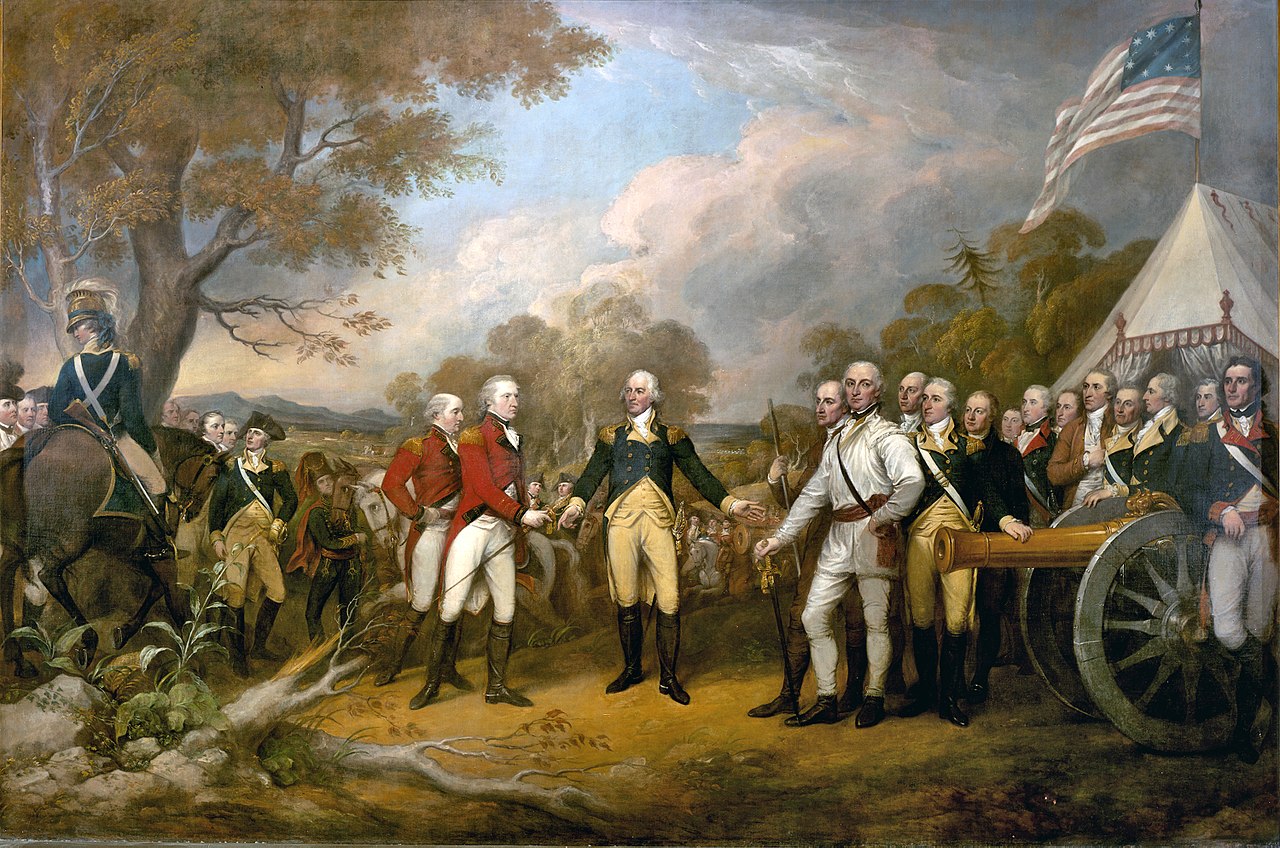
Gates’s reputation was transformed in 1777 during the Battles of Saratoga. American forces under his command forced British General John Burgoyne to surrender an entire army, marking the first major British capitulation of the war. The victory proved decisive. It convinced France to formally support the American cause, shifting the balance of the war. Congress awarded Gates a gold medal, and for a time he was celebrated as the general who had succeeded where others had struggled.
Historians, however, often note that much of the aggressive fighting was led by subordinates, while Gates remained cautious in overall command.
What was the Conway Cabal and why did Gates matter?
After Saratoga, dissatisfaction with Washington’s leadership grew among some officers and politicians. Washington had suffered defeats at Brandywine and Germantown, while Gates had just overseen a major victory. This contrast made Gates an obvious alternative in the eyes of critics.
The episode later called the Conway Cabal was not a formal conspiracy, but rather a series of letters, private complaints, and political manoeuvres questioning Washington’s competence. Gates was linked to these efforts, either through ambition or poor judgement.
Although Washington ultimately retained command, the damage was lasting. Gates emerged from the episode seen as a political rival rather than a loyal subordinate, reinforcing the image of him as ambitious and calculating.
How did the Battle of Camden end Gates’s career?
In 1780, Gates was sent south to face British forces under Lord Cornwallis. The campaign ended in disaster at the Battle of Camden failure, one of the worst American defeats of the war.
Gates’s army collapsed almost immediately. In the aftermath, he fled the battlefield and reportedly rode nearly 180 miles in three days, an act that shocked both supporters and critics. His retreat at Camden became legendary and permanently damaged his credibility.
Although a later inquiry cleared him of formal wrongdoing, Gates never again held a field command.

Later life, reputation, and popular culture
After the war, Gates withdrew from military life. He freed the people he had enslaved, moved to New York, and served briefly in the state legislature. He died in 1806.
Today, Gates is often remembered as a rival to Washington rather than a hero in his own right. In popular culture, he is frequently portrayed as an antagonist, including in the television series Turn: Washington’s Spies, where he appears as a political threat to Washington’s leadership.
His legacy remains divided. Saratoga secured his place in history, but Camden ensured his reputation would always be debated.
Related MuseumFacts topic: Battle of Cowpens – Key Facts and Brief Summary

Read about one of the most infamous battles during the American Revolutionary War Battle of Camden- Key Facts & Brief Summary
Sources
Ron Chernow, Washington: A Life
Don Higginbotham, The War of American Independence
Horatio Gates was effective in certain situations, particularly in defensive campaigns like Saratoga. However, his leadership during active field battles was inconsistent. His defeat at Camden suggests that he struggled when faced with fast-moving or complex battlefield conditions.
Gates was the commanding general of American forces during the Battles of Saratoga in 1777. Although subordinate officers played a major role in the fighting, the victory occurred under his command and brought him national recognition.
Gates was linked to criticism of George Washington during the episode later called the Conway Cabal. While there is no evidence of a formal plot, his association with these efforts created lasting tension and damaged his reputation.
After the defeat at Camden in 1780, Gates was removed from field command and never led troops again. Although he was later cleared by a court of inquiry, his active military career was effectively over.
Yes. Later in life, Gates freed the people he had enslaved, an action that set him apart from many former Revolutionary War officers. This decision is often mentioned as a significant part of his personal legacy.
Historians generally view Horatio Gates as a capable administrator whose career was marked by one major success and one catastrophic failure. He is remembered as a reminder that Revolutionary War leadership was shaped by politics, personality, and circumstance as much as by military skill.
Horatio Gates was nicknamed “Granny Gates” by critics because of his cautious military style, his age compared to other generals, and his habit of wearing spectacles. The name implied timidity rather than bold leadership.